Training - Learning How To Carry Out PAT Testing
Understanding Training Options
Choosing the Right PAT Testing Training for You
When it comes to PAT Testing training, you have several options: online, classroom, and in-house training. Online training offers flexibility and convenience, allowing you to learn at your own pace from anywhere. Classroom training provides a structured learning environment with direct interaction with instructors and peers, ideal for those who benefit from face-to-face engagement. In-house training is tailored to your specific needs, offering practical, real-world scenarios in your own work environment. Each method has its unique benefits, and the best choice depends on your learning style and requirements.
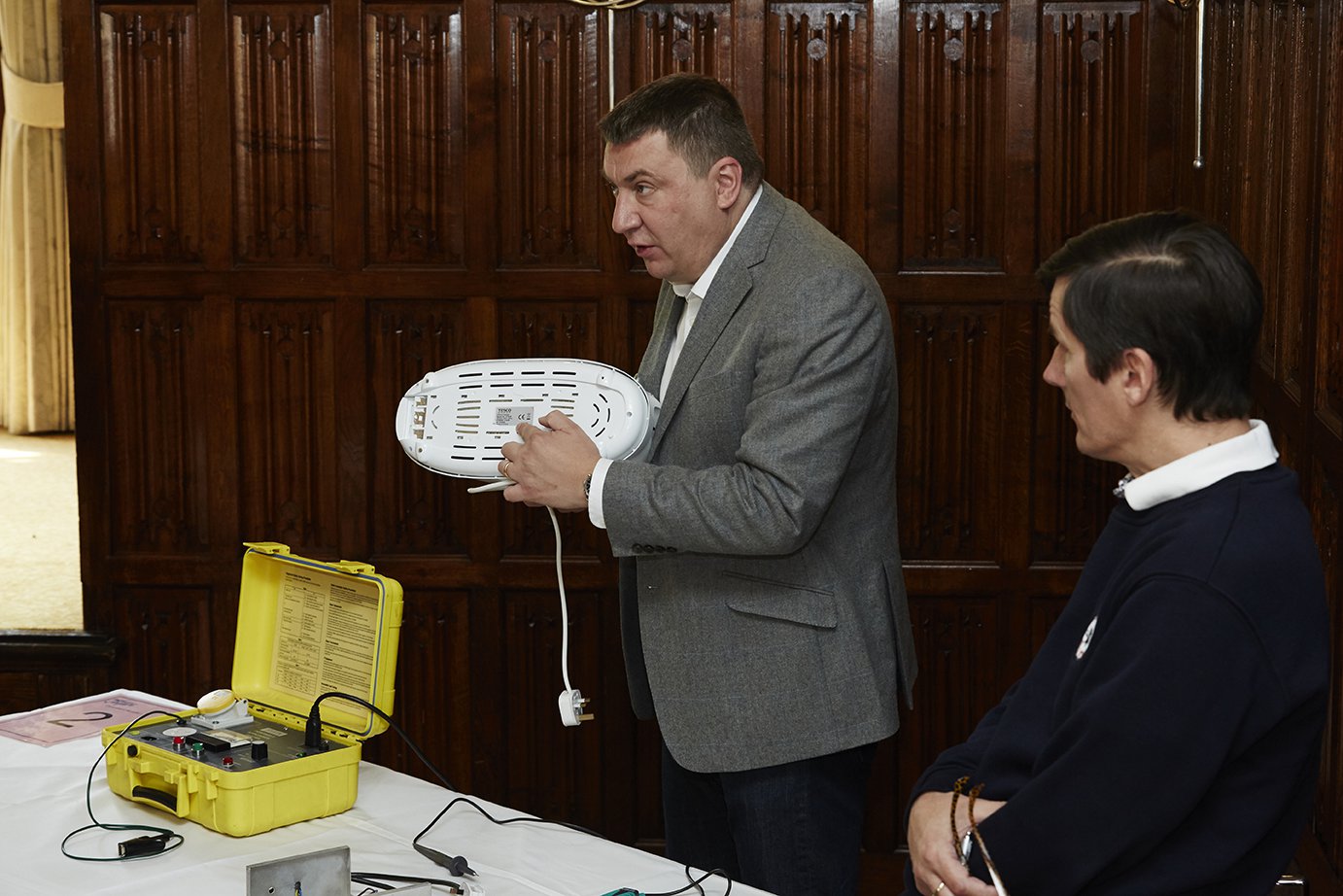
Training Options for PAT Testing
Proper training is crucial for ensuring electrical safety and meeting your legal responsibilities. PAT Testing is not about simply following instructions on a machine – it requires an understanding of electrical safety, the ability to recognise defects, and the confidence to make sensible, risk-based decisions in real-world environments.
There are several routes available when it comes to training, and the quality can vary significantly.
Online & DVD-Based Training
Online PAT Testing courses are widely available and can often be purchased very cheaply. Some providers even still offer DVD-based courses. While these options may seem convenient, feedback from those who have completed them is often poor. Many people report that they finish the course still unsure about what they are doing, lacking confidence, and unprepared for real-life situations.
Electrical safety is a practical skill. Watching videos or clicking through slides is rarely enough to build genuine competence.
Classroom & Competency-Based Training
Competency-based training, delivered in person at hotels, conference centres or training venues, is generally far more effective. These courses allow you to see equipment in use, ask questions, and – most importantly – get hands-on experience under supervision.
The quality of classroom courses can still vary, so it is important to choose a provider that focuses on practical skills, real-world scenarios and understanding, rather than just theory or exam preparation.
Specialist providers such as PAT Testing Expert have been delivering hands-on, practical PAT Testing training across the UK for over 30 years. Their courses are designed around real workplace situations, with extensive practical sessions and clear, straight-talking instruction – helping people leave the course genuinely competent and confident.
City & Guilds 2377 and Formal Qualifications
Some people choose to complete a formal qualification such as the City & Guilds 2377. This is an assessment-based course and can be suitable where an employer, contract, or role specifically requires a recognised qualification.
It is important to understand, however, that UK guidance does not require you to hold a City & Guilds certificate to carry out PAT Testing. The legal requirement is for a competent person – someone with appropriate knowledge, training and experience.
In practice, good PAT Testing is about:
-
understanding equipment
-
recognising faults and damage
-
assessing risk
-
and making sensible safety decisions
Not simply passing an exam.
For many people, a high-quality, practical, competency-based PAT Testing Course is the most effective route to becoming genuinely capable in PAT Testing.



Essential Training Components
Effective training programs are built on a foundation of practical skills and real-world applications. They should not only cover theoretical knowledge but also provide hands-on experience to ensure participants can apply what they’ve learned in everyday scenarios.
Practical Skills
Training should focus on developing practical skills that can be directly applied in the workplace, ensuring participants are ready to handle real-life situations.
Real-World Applications
Good training incorporates real-world examples and case studies, helping learners understand how to apply their knowledge effectively.
Interactive Learning
Engaging, interactive sessions encourage active participation, enhancing understanding and retention of information.
Continuous Assessment
Regular assessments and feedback help track progress and identify areas for improvement, ensuring a comprehensive learning experience.
Further Reading and Resources
- Health and Safety Executive (HSE)
– Comprehensive guidelines on workplace safety and electrical regulations. - Electrical Safety First
– Essential tips and advice for maintaining electrical safety in various environments. - BBC Bitesize
– Simplified educational resources on electrical safety basics. - IET Code of Practice
– Detailed standards for electrical installations and safety testing. - British Standards Institution
– Authoritative standards for electrical safety and compliance.
- PAT Testing on Wikipedia
– Learn about PAT Testing on Wikipedia. - Is It Still Called PAT Testing?
– Yes, it’s still called PAT Testing. This video from PAT Testing Expert will explain. - City and Guilds 2377-32
– A qualification for practising electricians in equipment maintenance - PAT Testing Course
– PAT Testing Courses held across the UK from PAT Testing Expert - PATTA Portable Appliance Testing Trade Association
– The trade association for PAT Testing professionals.
- Earth Leakage Tests in PAT Testing
– A source of much confusion – this page will explain all about leakage and sub-leakage tests in PAT Testing - PAT-Courses.com
– Another information site about PAT Testing Courses in the UK - HSE PAT Testing FAQ’s
– Frequently asked questions about PAT Testing from the HSE - Can Your Still Make Money Doing PAT Testing
– A special report about the state of the PAT Testing Industry